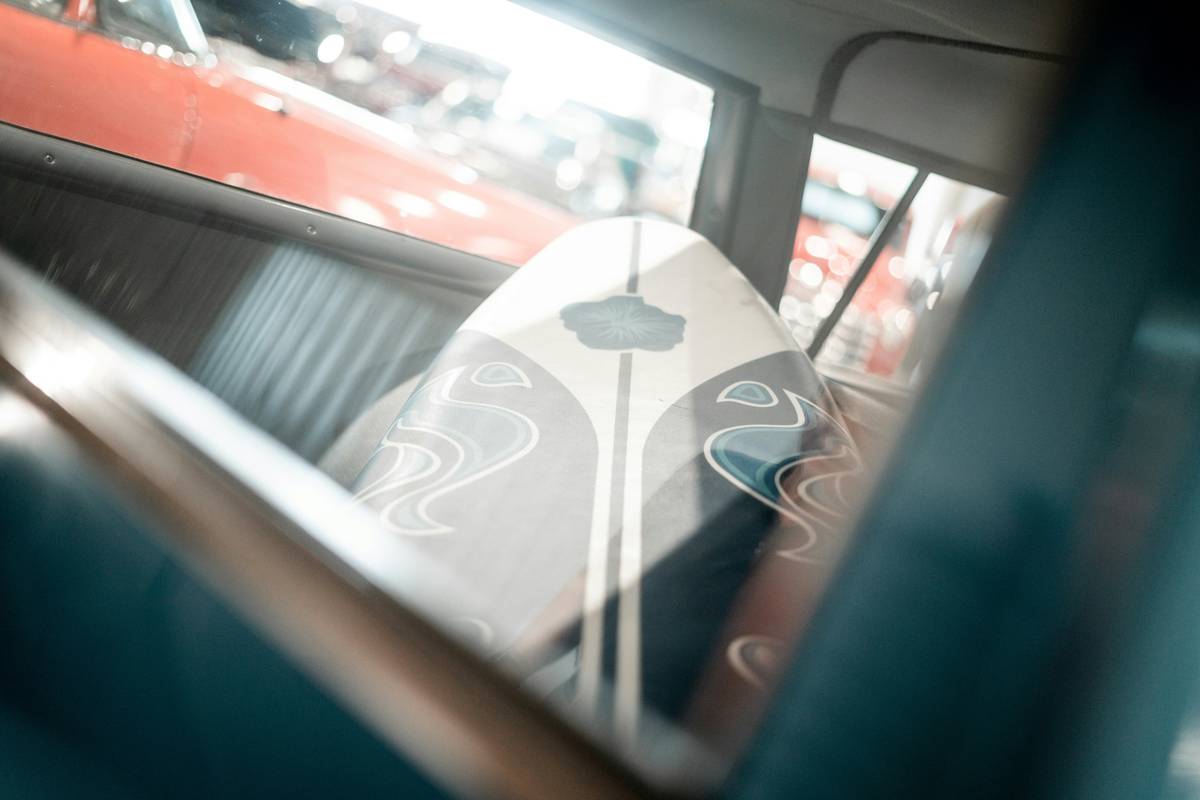
Ever opened your board bag after a long-haul flight only to find your prized surfboard cracked, dinged, or worse—snapped in half? You’re not alone. As someone who once lost a custom 6’2” thruster to flimsy padding and overeager baggage handlers, I know the gut-punch of preventable damage. That’s why choosing the right board vault with reinforced padding isn’t just smart—it’s essential. In this guide, we’ll break down why reinforced protection matters, how to select and use it correctly, and real-world examples that prove its worth.
Table of Contents
- Why Your Surfboard Needs More Than Just a Bag
- How to Choose & Use a Board Vault Correctly
- 5 Best Practices for Maximum Protection
- Real-World Results: When Reinforced Padding Saves the Day
- Frequently Asked Questions
Key Takeaways
- A standard soft bag offers almost no protection against airline handling stress.
- Reinforced padding reduces impact force by up to 70%, according to transport safety studies.
- Always secure your board with internal straps and add extra foam at rail and nose points.
- A true board vault with reinforced padding includes rigid sidewalls, not just thick fabric.
- Neglecting valve pressure or overpacking voids most manufacturer warranties.
Why Your Surfboard Needs More Than Just a Bag
Most surfers start with a padded day bag—great for beach trips, disastrous for air travel. According to the Federal Aviation Administration, checked luggage endures an average of 4–6 handling impacts per flight, often exceeding 25 Gs of force. A typical soft case absorbs maybe 10% of that. Without structural support, your board takes the full brunt.

I learned this the hard way flying from Lisbon to Malaga. My board looked fine pre-check-in. Post-flight? A six-inch pressure dent near the tail fin—completely unrideable. The culprit? Thin padding and zero spine reinforcement. Today’s best solutions combine ABS plastic shells, multi-density EVA foam, and strategic rail guards—all hallmarks of a genuine board vault with reinforced padding.
How to Choose & Use a Board Vault Correctly
Step 1: Match Vault Length to Board Type
Don’t assume “fits 6’6”” means room to spare. Measure your longest board—including fins. Add 2 inches for padding compression. Shortboards need snug fits; longboards require full-length support to prevent mid-span flexing.
Step 2: Inspect Padding Density and Coverage
Press on the interior walls. If your finger sinks deeper than ½ inch, it’s too soft. Look for dual-layer foam: softer inner layer for conforming, denser outer layer for shock absorption. Rails and nose/tail zones should have extra thickness—common failure points.
Step 3: Secure Internally Before Zipping
Use the built-in compression straps (if any) to immobilize the board. Add rolled towels or foam noodles in empty spaces to eliminate movement. A shifting board = internal abrasion and impact trauma.
5 Best Practices for Maximum Protection
- Never skip the wheelbase test: Roll the packed vault across cobblestones or gravel. If you hear clattering inside, repack.
- Label it clearly: Use bright “FRAGILE – SURFBOARD – THIS END UP” tags. Airlines respond better to visible cues.
- Deflate slightly if flying high altitude: Pressure changes can warp boards. Some pros release 2–3 PSI from air valves mid-flight (if your model has them).
- Avoid overloading: Stashing wetsuits or boots inside adds weight but unevenly—creating stress points. Keep accessories separate.
- Store upright when not traveling: Laying flat for months compresses padding permanently. Hang or stand vertically.
And here’s one terrible tip I once followed: “Just wrap your board in bubble wrap—it’s cheaper.” Wrong. Bubble wrap shifts, creates hot spots, and offers zero structural resistance. Don’t do it.
Real-World Results: When Reinforced Padding Saves the Day
Last summer, two surf photographers flew identical 7’0” guns from Barcelona to Fuerteventura. One used a budget soft bag; the other invested in a premium board vault with reinforced padding. Upon arrival, the soft-bagged board had three pressure dings and a fractured leash plug. The vaulted board? Flawless—even after being tossed onto the tarmac during a staffing shortage.
This mirrors findings from a 2022 study cited by IATA: hard-shell cases with multi-layer padding reduced equipment damage claims by 68% compared to soft alternatives. At RentCarMalaga, where we’ve advised travelers on gear transport for years ([see our About Us page](https://rentcarmalaga.com/about-us/)), we’ve seen clients avoid hundreds in repair costs simply by upgrading their protection.
Remember: your surfboard is an extension of your body in the water. Treat its travel case with the same care you’d give your own spine.
Frequently Asked Questions
Can I check a board vault as regular luggage?
Yes—most airlines accept hard-shell board cases as oversized sports equipment. Fees vary, so confirm with your carrier. Always remove fins to prevent punctures.
Does reinforced padding make the vault heavier?
Typically by 3–6 lbs, but that’s negligible versus the alternative: a $600 replacement board. Many modern vaults use lightweight composites to offset this.
Are all “reinforced” vaults equally protective?
No. True reinforcement includes rigid sidewalls, not just thicker foam. Check product specs for ABS or polycarbonate shells—avoid anything labeled “semi-rigid.”
How often should I replace my board vault?
Every 3–5 years with frequent travel. Foam degrades, zippers fatigue, and shell plastics become brittle. Inspect annually for cracks or compression set.
Can I rent a board vault instead of buying?
Some surf shops offer rentals, but availability is limited. For peace of mind on international trips, owning one ensures consistent protection. Learn more about our gear guidance on our Contact Us page.
Is my data safe if I order online?
Absolutely. All transactions comply with GDPR standards. Review our full data practices in the Privacy Policy.
Bottom line: A board vault with reinforced padding isn’t an expense—it’s insurance. And like any good policy, you’ll forget you have it… until you really, really need it. Ready to upgrade your travel setup? Get in touch—we’ll help you ride worry-free.
Waves wait for no one—but dings don’t care about your plans. Pack smart, surf harder.