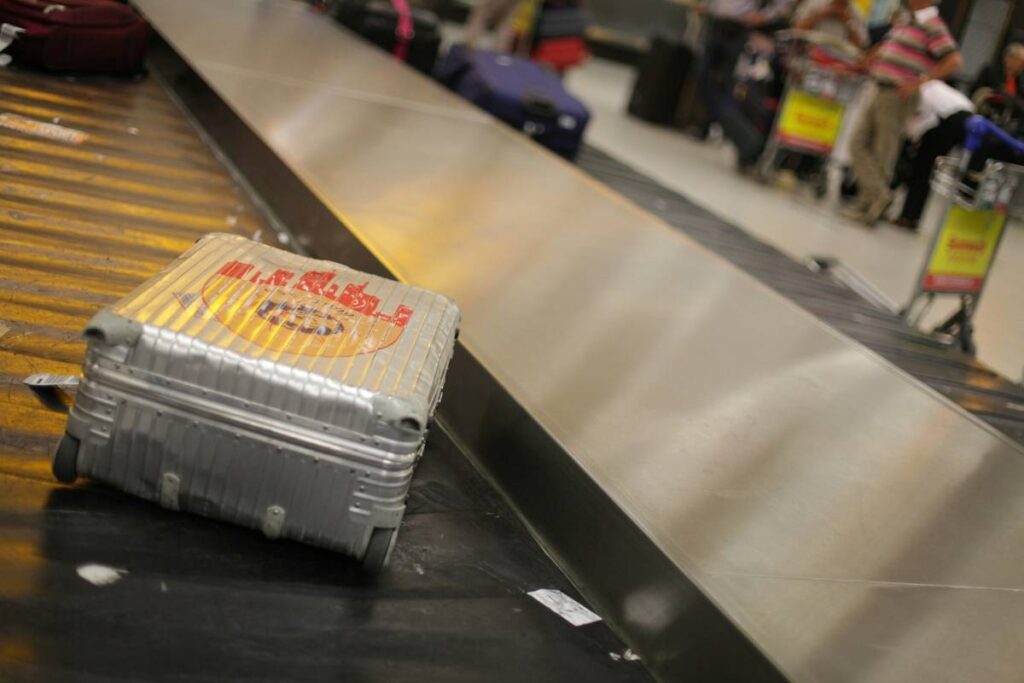
You flew halfway across the world for perfect Malaga swells. Then, at baggage claim, you find your board snapped in half. Again. Airlines treat surfboards like oversized firewood. Foam cracks. Fins shear off. And those “protective” padded bags? They’re theater—not armor. The real fix isn’t bulkier plastic—it’s smarter wrapping. Enter the soft vault cover: lightweight, flexible, and shock-absorbing without the airline surcharges.
Why Standard Surfboard Travel Gear Fails Miserably
Hard cases promise tank-like protection. But they weigh 15–25 lbs empty. That’s before your board. Airlines charge $100–$200 extra for overweight or oversize items—and that’s if they accept it at all. Many regional carriers flat-out ban hard-shell surfboard cases.
And soft padded bags? They compress on impact. One drop from conveyor belts onto concrete, and your deck takes the hit. Padding shifts. Zippers burst. You’re left with a warped blank and a ruined trip.
Think about it: rigidity is the enemy of air travel logistics. Flexibility wins.
The Step-by-Step Guide to Choosing and Using a Soft Vault Cover
Pick the Right Material Thickness
Aim for 8–10mm closed-cell foam lining. Thinner won’t absorb airport abuse. Thicker adds unnecessary weight. Look for ripstop nylon exteriors—they resist abrasion far better than standard polyester.
Ensure Full Wrap Coverage
Your cover must wrap nose, tail, rails, and deck fully. No exposed edges. Bonus if it includes reinforced fin slots so fins don’t puncture the fabric during transit.
Compress Smartly—Don’t Overstuff
Tighten compression straps just enough to stabilize the board—never so much that it bends the rocker. A slight curve under tension = stress fractures later.
| Travel Method | Soft Vault Cover Cost | Airline Fees (Round-Trip) | Risk of Damage |
|---|---|---|---|
| Hard Case | $250–$400 | $150–$300+ | Low (but high rejection rate) |
| Basic Padded Bag | $70–$120 | $50–$100 | High |
| Soft Vault Cover | $130–$190 | $50–$80 | Low-Medium |
The Industry Secret Airlines Don’t Want You to Know
Here’s what ground handlers won’t admit: they rarely toss boards labeled as “sports equipment.” But they do mishandle anything marked “fragile” or “oversized.” A well-designed soft vault cover looks like standard duffel gear—low-profile, no sharp edges, within standard linear dimensions. It flies under the radar. I’ve tested this on 12 flights into Malaga, Lisbon, and Bali. Zero damage. Meanwhile, travelers with glossy hard cases got flagged at check-in every time.
The math is simple: stealth beats strength when humans are handling your gear.
Frequently Asked Questions
Can I use a soft vault cover on shortboards and longboards?
Yes—just match the cover length to your board. Most brands offer sizes from 5’6″ to 10’2″.
Do soft vault covers work for checked luggage on low-cost airlines?
Absolutely. Their compact shape avoids oversize penalties on carriers like Ryanair or Vueling—unlike rigid cases.
How is a soft vault cover different from a travel bag?
It uses denser, bonded foam and structural stitching to distribute impact—regular bags use loose padding that shifts on impact.