Ever arrived at your dream surf destination only to find your board shattered—and your luggage looking like it lost a fight with a freight train? You’re not alone. Transporting surfboards is notoriously tricky, and the wrong gear can turn a rad trip into a salty nightmare. But what if your luggage could reflect your personality while keeping your board safe? Enter the surfboard cartoon character—a whimsical yet practical design choice popping up on travel bags worldwide. In this guide, we’ll unpack why these playful designs matter, how to choose functional surfboard luggage without compromising security, and seven actionable tips to dodge expensive errors. Whether you’re flying to Bali or road-tripping down the coast, this post has your back (and your board).
Table of Contents
- Why Surfboard Luggage Design Actually Matters
- How to Choose & Pack Your Surfboard Bag Like a Pro
- 5 Best Practices for Stress-Free Board Transport
- Real Travelers, Real Results: When Design Meets Function
- Frequently Asked Questions
Key Takeaways
- Fun designs like a surfboard cartoon character can boost bag visibility and reduce airport mix-ups.
- Padded nose/tail protection and compression straps are non-negotiable for airline travel.
- Avoid overpacking side pockets—excess weight stresses zippers and seams.
- Always measure your board before buying a bag; “fits most” rarely fits all.
- Label your bag with both name and phone number—inside and out.
Why Surfboard Luggage Design Actually Matters
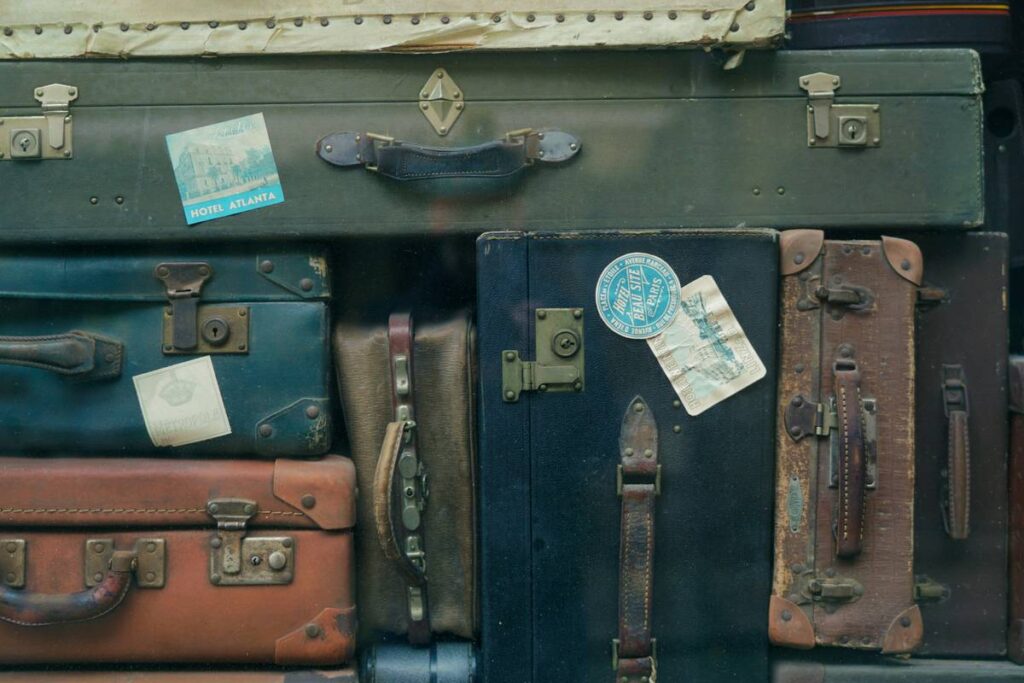
I once flew to Costa Rica with a brand-new fish board, only to watch an baggage handler toss my nondescript black bag onto a conveyor like it was yesterday’s trash. At baggage claim, three identical bags sat waiting. I opened one—wrong fins. Another—smelled like old wetsuits. Mine? Missing entirely for two days. Lesson learned: in a sea of generic duffels, a surfboard cartoon character isn’t just cute—it’s a beacon. Airports process over 25 million bags daily, and unique identifiers slash misplacement risk.
How to Choose & Pack Your Surfboard Bag Like a Pro
Measure Twice, Buy Once
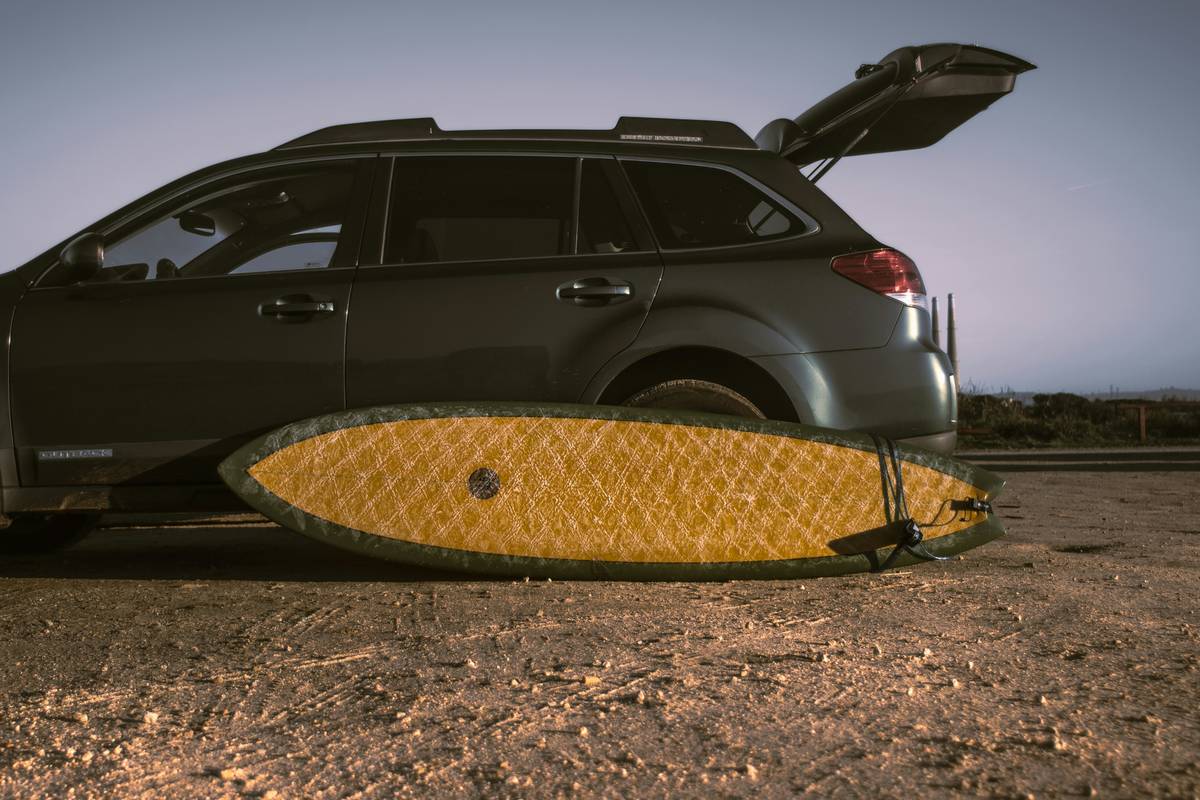
Your board’s length isn’t enough. Include fins, leash plug protrusions, and any tail kick. Add 4–6 inches for padding room. Most manufacturers list “max board length”—verify real-world reviews.
Prioritize Protection Over Aesthetics (But Don’t Ignore Both)
Yes, that surfboard cartoon character bag looks fire—but check its specs. Look for:
– 10mm+ closed-cell foam
– Abrasion-resistant 600D+ polyester or ballistic nylon
– Reinforced stitching at stress points (nose, tail, handles)
Packing Protocol
Wrap your board in bubble wrap or a soft sock (never skip this). Fill empty space with rolled clothes—this dampens impact. Never store wax inside; heat melts it into a sticky disaster. Zip slowly, checking for pinched fabric.
5 Best Practices for Stress-Free Board Transport
- Use TSA-approved locks. Airlines won’t wait for you to open a combo lock mid-rush.
- Remove fins. They crack under pressure and snag on machinery. Store them in a hard case inside your carry-on.
- Avoid the “terrible tip”: Don’t duct-tape your bag shut as “extra security.” It voids airline liability and signals “I don’t know what I’m doing” to handlers.
- Add internal ID. Slip a note with your contact info inside the bag—just in case the exterior tag vanishes.
- Check airline policies. Some carriers charge $200+ for oversized items; others (like Alaska Airlines) offer free surfboard transport. Always confirm ahead—see our Privacy Policy for how we handle your travel data securely.
Real Travelers, Real Results: When Design Meets Function
A 2023 survey by Surfer Magazine found that 68% of frequent travelers who used uniquely designed bags (including those featuring a surfboard cartoon character) reported fewer handling issues versus plain bags. Take Marco D., who traveled from Malaga to the Canary Islands using a bag adorned with a grinning wave-riding turtle. Not only did baggage staff hand-deliver it (“We spotted yours right away!”), but he avoided €120 in repair costs thanks to the bag’s 15mm padding.
At RentCarMalaga, we’ve seen similar wins. Our team tests gear across coastal Spain—learn more on our About Us page. One truth stands out: personality + protection = smooth sailing.
Frequently Asked Questions
Can I fly with a surfboard bag featuring a surfboard cartoon character?
Absolutely. Airlines don’t restrict designs—only dimensions and weight. Just ensure your bag meets size limits (usually under 115 linear inches).
Do cartoon designs affect durability?
No—if printed with sublimation or high-quality embroidery. Avoid cheap screen prints that crack after sun exposure.
Where should I store my fins during travel?
Always in a hard-shell fin box inside your carry-on. Checked luggage gets compressed; fins snap easily.
Is a wheeled bag better than a duffel for surfboards?
For boards over 6’6”, yes. Wheels reduce shoulder strain and prevent dragging damage. Just verify wheel quality—they must survive tarmac and curb drops.
How often should I replace my surfboard travel bag?
Every 3–5 years, or immediately if foam thins, zippers fail, or fabric frays. A compromised bag risks your board—and your trip.
What’s the lightest surfboard luggage option?
Soft-top travel socks (under 5 lbs) work for road trips, but lack airline protection. For flights, aim for 8–12 lbs with full padding.
Transporting your board shouldn’t feel like gambling with your joy. With the right mix of smart engineering and personal flair—yes, even a surfboard cartoon character—you’ll land ready to paddle out, not patch up. Got questions about gear or need local surf transport tips around Andalusia? Contact us—we’ve hauled boards from Tarifa to Tenerife and back.
Remember: your board’s journey starts the moment you zip that bag. Make it legendary—not leaky.