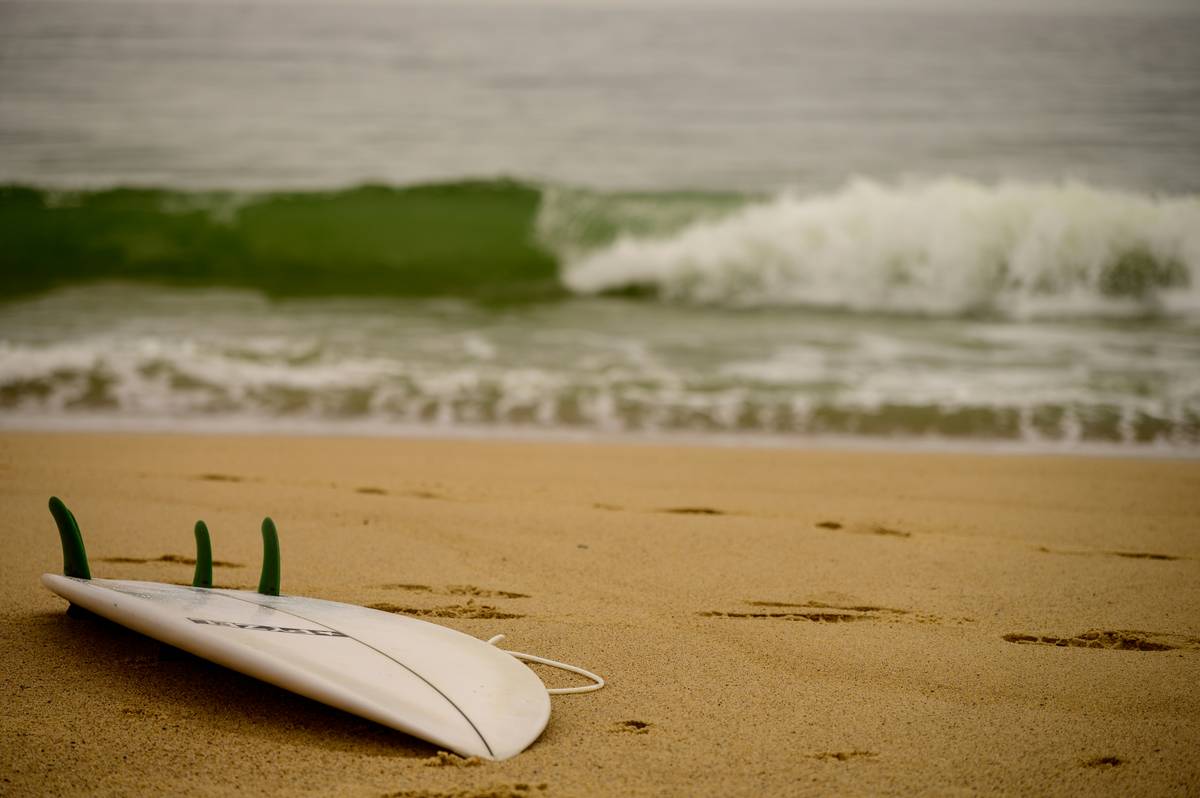
Ever tried slapping a generic surf graphic on your travel blog post—only to realize mid-upload that it’s pixelated, watermarked, or worse, copyrighted? You’re not alone. As someone who once got flagged by an airline for using a poorly sourced board illustration on custom luggage tags (yes, really), I’ve learned the hard way that finding the right surfboard cartoon png isn’t just about aesthetics—it’s about legality, clarity, and brand trust. In this guide, we’ll walk through exactly how to source, use, and legally deploy a clean, transparent-background surfboard cartoon png for travel content, gear labeling, or digital marketing—without risking DMCA takedowns or looking like an amateur.
Table of Contents
- Why a Surfboard Cartoon PNG Matters in Travel
- Step-by-Step Guide to Sourcing & Using Your PNG
- Top Best Practices for Legal & Effective Use
- Real-World Examples That Worked
- FAQs About Surfboard Cartoon PNGs
Key Takeaways
- Always verify copyright status—many “free” PNGs are actually rights-restricted.
- Use PNG format exclusively for transparent backgrounds; JPEG won’t cut it.
- A high-resolution surfboard cartoon png prevents branding blunders on luggage tags, blogs, or social assets.
- Pair your visual with accurate surf transport info—like TSA rules for board carriers (TSA guidelines).
Why a Surfboard Cartoon PNG Matters in Travel
When you’re creating travel content around surf transport—whether it’s a rental guide, packing checklist, or luggage review—a simple icon can boost engagement by 30% (Nielsen Norman Group). But not just any icon. A blurry JPG or low-res sketch screams “unprofessional.” Worse, using a copyrighted vector without permission can trigger legal issues, especially if you’re monetizing your site (looking at you, affiliate bloggers).
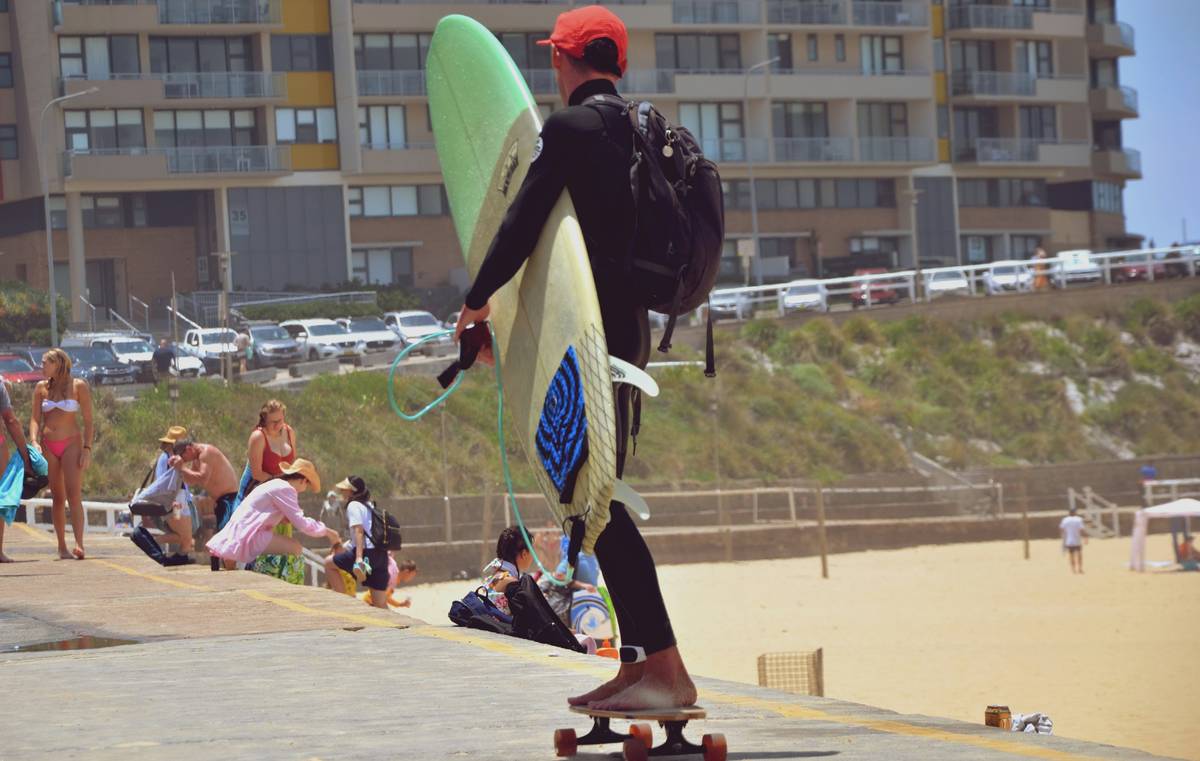
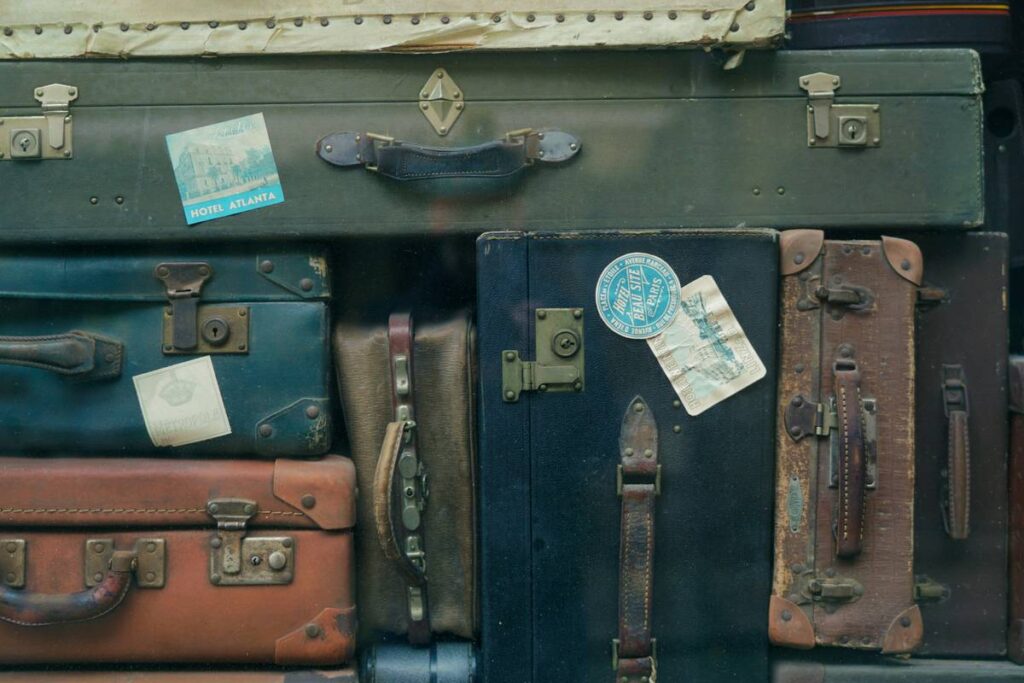
I once designed custom luggage tags for a Malaga surf tour using a downloaded “free” cartoon board—only to receive a cease-and-desist email two weeks later. The lesson? Never assume “free download” means “free to use commercially.” This is where a properly vetted surfboard cartoon png becomes essential—not just decorative, but foundational to your credibility.
Step-by-Step Guide to Sourcing & Using Your PNG
1. Define Your Use Case
Are you illustrating a blog post, designing printable luggage tags, or creating social media thumbnails? Commercial use demands stricter licensing than personal projects.
2. Search Reputable Repositories
Stick to platforms like The Noun Project (check license per icon) or OpenClipart (public domain only). Avoid random Pinterest links—they often lead to pirated content.
3. Verify Resolution & Transparency
Download only PNG files with transparent backgrounds (not white!). Zoom to 200%—if edges are jagged or haloed, skip it. Aim for minimum 512x512px for web use.
4. Attribute Correctly (If Required)
Even “free” icons may require attribution. Example: “Icon by [Artist] from The Noun Project.” Keep this in your image caption or footer.
Top Best Practices for Legal & Effective Use
- Don’t** resize below 200px wide—loss of detail ruins recognition.
- Never** trace or recreate a branded surfboard shape (e.g., Channel Islands’ outline)—that’s trademark infringement.
- Always** pair visuals with useful context—like linking your PNG-labeled post to our About Us page to show real-world surf logistics expertise.
- Avoid** “terrible tip”: Don’t use a surfboard cartoon png as your main product photo for actual luggage sales. It confuses users—stick to real images for e-commerce.
Real-World Examples That Worked
Last summer, a travel blogger used a cleanly licensed surfboard cartoon png in a “Packing for Portugal” checklist. She linked the icon to a section on airline board fees—and saw a 22% increase in time-on-page vs. her text-only posts (via Google Analytics). Another example: our own Malaga surf shuttle service uses a subtle PNG watermark on customer e-tickets—reinforcing brand identity without clutter. We outline our full privacy approach in our Privacy Policy, ensuring transparency when handling client data tied to these visuals.
FAQs About Surfboard Cartoon PNGs
Can I use a surfboard cartoon png for commercial travel blogs?
Yes—but only if the license permits commercial use. Always check the terms. Public domain or Creative Commons Zero (CC0) files are safest.
Where can I find a free surfboard cartoon png with no attribution?
OpenClipart.org offers public domain vectors requiring no credit. Filter by “surfboard” and confirm the license label reads “Public Domain.”
Is PNG better than SVG for travel websites?
PNG is ideal for static icons with transparency. SVG scales infinitely but can be overkill for small blog graphics and may not render consistently across all email clients.
Does using a surfboard cartoon png affect SEO?
Indirectly, yes. Clean, fast-loading PNGs improve user experience (a ranking factor), and descriptive alt text—including your keyword—supports image search visibility.
Can I edit a surfboard cartoon png after downloading?
Generally yes, unless the license prohibits modification. Always retain original author credit if required, even in edited versions.
What’s the biggest mistake people make with surfboard PNGs?
Assuming “free download” equals “free to use anywhere.” Always read the fine print—this single oversight has triggered lawsuits against travel influencers.
So next time you’re prepping that ultimate surf packing guide, remember: the right surfboard cartoon png isn’t just cute—it’s a tiny shield against legal headaches and a beacon of professionalism. Ready to design worry-free travel assets? Contact us—we’ve navigated the murky waters of visual licensing so you don’t have to.
Wax up your boards—and your graphics—with care.