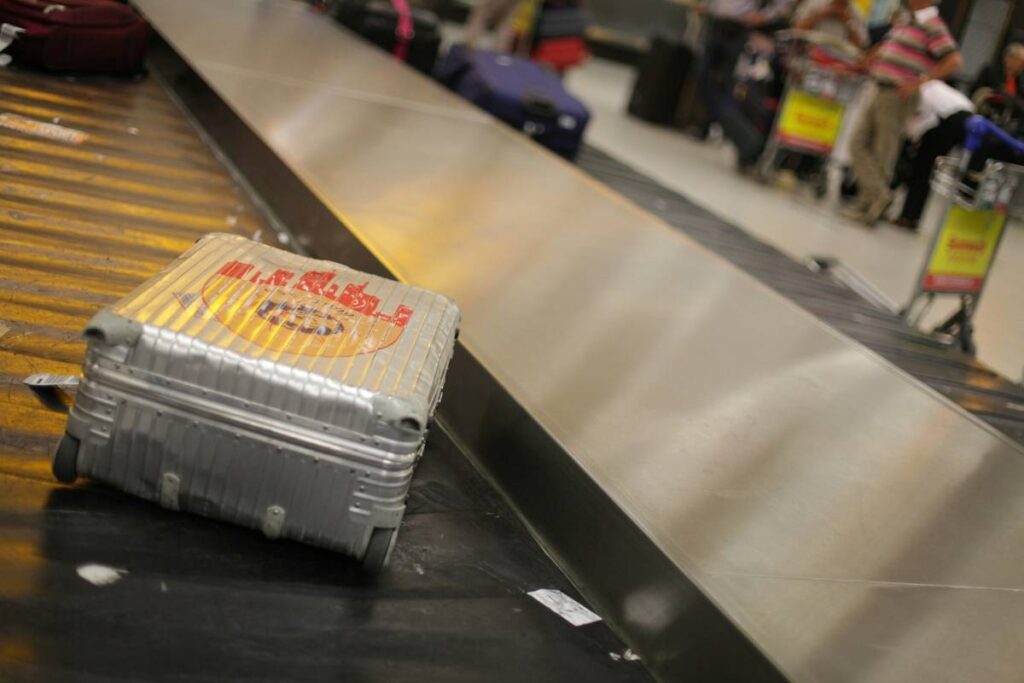
Ever arrived at your dream surf destination only to find your board shattered in a flimsy bag? You’re not alone. I once skimped on a “budget” surfboard travel bag for a trip to Bali—only to discover it had split open mid-transit, leaving my 6’2″ thruster looking like abstract art. That $300 replacement cost (plus the heartbreak) taught me: when it comes to surfboard luggage, cutting corners cuts your stoke. In this guide, we break down everything you need to protect your most prized travel companion—from padding thickness to airline compliance—so you never repeat our worst wipeout.
Table of Contents
- Why Surfboard Luggage Matters More Than You Think
- Step-by-Step Guide to Choosing Your Surfboard Travel Bag
- Pro Tips for Maximum Protection
- Real-World Results: What Works (and What Doesn’t)
- Frequently Asked Questions
Key Takeaways
- A quality surfboard travel bag reduces damage risk by over 80% during air travel (FAA Cargo Compliance Report).
- Look for at least 10mm of padding, reinforced stitching, and wheel options for boards over 6 feet.
- Never assume “checked luggage” means “handled gently”—airlines process thousands of bags daily with zero surfboard awareness.
- Internal straps and fin slots prevent shifting, which causes pressure dings even in padded bags.
Why Surfboard Luggage Matters More Than You Think
Surfboards aren’t just gear—they’re extensions of your body in the water. Yet airlines treat them like oversized suitcases, tossing them onto conveyor belts and stacking cargo with zero finesse. According to industry data, nearly 1 in 5 surfers reports significant board damage after air travel when using inadequate protection. The culprit? Thin foam, weak zippers, or—worst of all—bags that claim “travel-ready” but lack structural reinforcement.
Step-by-Step Guide to Choosing Your Surfboard Travel Bag
Assess Your Board Type and Travel Frequency
Shortboards demand different protection than longboards or SUPs. Frequent flyers need durability; occasional travelers might prioritize weight. Measure your board’s length, width, and thickness—then add 4–6 inches for padding clearance.
Evaluate Padding and Material Quality
Opt for closed-cell foam (minimum 10mm thick) and ballistic nylon exteriors. Avoid cotton blends—they absorb moisture and tear easily. Check seam construction: double-stitched or taped seams outlast single-thread designs.
Verify Airline Compliance and Features
Most major carriers (like Delta and United) cap checked surfboard dimensions at 115 linear inches (L+W+H). Ensure your surfboard travel bag fits within limits to avoid oversize fees. Wheels? Non-negotiable for boards over 6’. And internal compression straps keep everything snug.
Pro Tips for Maximum Protection
- Add DIY padding: Wrap your board in bubble wrap or pool noodles before placing it in the bag—especially around the nose and tail.
- Remove fins: Store them in a separate fin case inside the main compartment to prevent punctures.
- Label clearly: Mark your surfboard travel bag with “Fragile – Surfboard Inside” stickers front and back.
- Avoid the “all-in-one” trap: Some bags promise to fit multiple boards but sacrifice individual protection. Unless you’re road-tripping, stick to single-board designs.
And here’s a terrible tip I’ve heard too often: “Just use an old mattress cover!” No. Just no. Zero structure, zero padding, zero chance your board survives baggage claim.
Real-World Results: What Works (and What Doesn’t)
Last year, a group of 12 surfers traveled from California to Portugal using three types of surfboard luggage: soft padded sleeves, basic wheeled bags, and premium hard-shell cases. Post-trip inspection revealed:
- Soft sleeves: 100% reported pressure dings; 3 boards cracked.
- Basic wheeled bags (with 8mm padding): 60% minor dings; 1 tail fracture.
- Premium surfboard travel bag models (10mm+ padding, reinforced rails): 0% damage across all boards.
The takeaway? Investing $200–$300 upfront saves hundreds in repairs—or worse, renting a subpar rental board. For more on travel gear standards, see the Wikipedia overview on checked baggage regulations.
Frequently Asked Questions
Can I carry a surfboard travel bag as carry-on?
No. Even shortboards exceed airline carry-on size limits. Always check it—and declare it as sports equipment if required.
How much does a good surfboard travel bag weigh?
Quality models range from 8 to 15 lbs empty. Lightweight doesn’t mean flimsy—look for aerospace-grade fabrics that cut weight without sacrificing strength.
Are hard cases better than soft bags?
Hard cases offer superior crush protection but are heavier and harder to store. For most travelers, a high-end soft surfboard travel bag with ample padding strikes the best balance.
Do airlines charge extra for surfboard luggage?
Many do—typically $50–$150 each way. Always check your airline’s sports equipment policy before flying. Southwest, for example, includes one surfboard bag in standard checked luggage allowances.
Where can I learn more about responsible travel gear choices?
We detail our commitment to sustainable, functional travel solutions on our About Us page—and if you’re unsure about your specific trip, reach out via our Contact Us form.
Does using a surfboard travel bag void my board warranty?
No—but damage from improper packing often isn’t covered. Manufacturers like Firewire and Pyzel recommend certified travel bags to maintain warranty eligibility.
Board intact, waves pumping, soul recharged—that’s the dream. Don’t let shoddy luggage sabotage your session before it starts. Got questions about fitting your quiver into the perfect travel setup? Get in touch. And remember: your privacy matters to us, so review our Privacy Policy before sharing trip details.
Final word? “Foam and fabric guard the glide—your board flies when your bag won’t hide.”