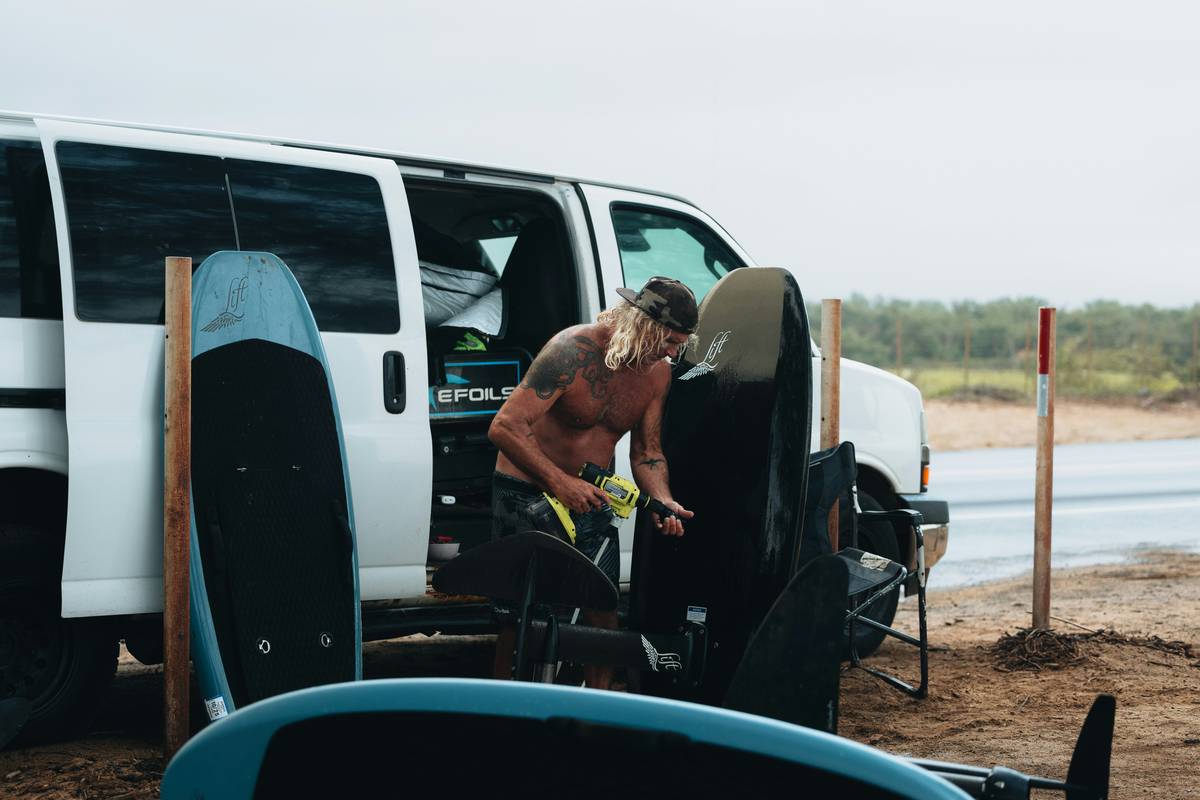
You’ve got a pristine longboard. A tailgate party on the horizon. And zero clue how to keep your deck from launching into orbit—or worse, cracking against the wheel well—on that bumpy coastal drive. Most folks just toss it in and hope. Hope doesn’t stop fiberglass fractures. Here’s how to actually do it right.
Why Tossing It In Just Doesn’t Cut It
Rubber bed liners aren’t armor. Tie-down straps slip on waxed decks. And that “gentle” 30-mph gust? It’ll torque your board like a wet noodle if it’s not anchored at multiple points. I’ve seen $1,200 custom shapes splintered by lazy loading—because the rider assumed “it’ll be fine.”
Truck beds weren’t designed for surfboards. They’re designed for dirt, lumber, and toolboxes with flat bottoms. Your surfboard has curves, fins, and fragile rails. Mismatch guaranteed.
Transporting Surfboard in Truck Bed: The Step-by-Step Protocol
Forget duct tape myths. This is how pros move boards across states—without insurance claims.
Prep the Bed: Create a Cradle
Lay down two pool noodles lengthwise along the bed rails. Slice them open and slide them over rope or webbing anchored to the truck’s tie-down points. This cushions pressure and stops lateral roll. Bonus: no wax-to-metal contact.
Anchor Like an Engineer—Not a Gambler
Use ratchet straps with rubber-coated buckles—not bungees. Run one strap just behind the midpoint (avoiding the fin box). A second near the nose. Keep tension firm but not crushing. Over-tightening warps epoxy.
Fins Out or In?
Remove them if possible. Fins snag wind and create lift. If they’re glassed-in, rotate the board so fins point toward the cab—never rearward. That airflow vortex will rattle them loose over time.

| Method | Cost | Security Level | Board Protection |
|---|---|---|---|
| Bare Bed + Bungee Cords | $0–$15 | Low | Poor (scratches, fin damage) |
| Pool Noodles + Ratchet Straps | $25–$40 | High | Excellent (full rail cushioning) |
| Dedicated Truck Bed Surf Rack | $120–$250 | Very High | Optimal (lockable, ventilated) |
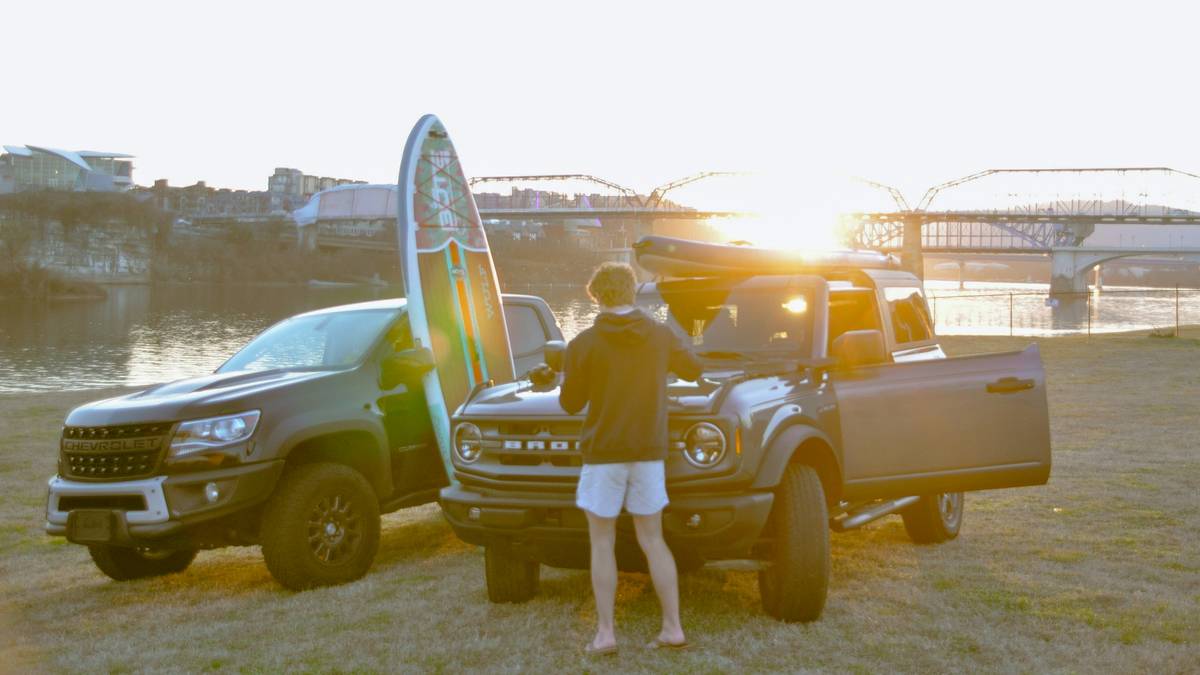
The Industry Secret: Airflow Is Your Silent Enemy
Most guides obsess over bouncing—but wind matters more. At highway speeds, air rushing under a loosely strapped board creates lift, like an airplane wing. That upward force yanks straps loose over minutes, not miles. The fix? Angle the board nose-down slightly toward the cab. Even 2–3 degrees disrupts laminar flow. Rental fleets in Malaga do this instinctively—you won’t see a local surfer loading flat. It’s physics, not preference.
FAQ
Can I transport a surfboard in a truck bed without a cover?
Yes—but only if securely strapped and angled nose-down. Wind lift is worse without a cap, so double-check tension every 30 minutes.
Do I need special straps for surfboards?
No specialty gear required. Use standard ratchet straps with soft loops or wrap buckles in microfiber to avoid deck dings.
How many boards can I safely carry in a standard truck bed?
Max three—stacked rail-to-rail with towels between, all lashed as one unit. More than that shifts weight unpredictably on turns.