
Your $800 hand-shaped pintail just arrived cracked in half. Again. You followed the “pro tips” from that influencer who’s never shipped anything heavier than a yoga mat. Now you’re out cash, time, and stoke. Shipping a surfboard isn’t like mailing a book—it’s logistics meets physics meets blind hope. But there’s a better way. And it starts with ditching everything you think you know.
Why Most Surfers Fail at Shipping Their Boards
Airlines treat your surfboard like an awkward cousin—tolerated, but barely. Ground carriers? They see a long, fragile oddity that doesn’t fit conveyor belts or sorting machines. Standard luggage rules implode under the weight, length, and liability of a surfboard. And bubble wrap? Cute. It offers zero structural support against compression or torsion during transit.
Here’s the reality: damage rarely happens because of “rough handling.” It happens because the packaging creates weak points—the nose pokes through cardboard, the tail snaps under pressure when stacked vertically, or the fin box cracks from internal shifting. You didn’t ship a board. You shipped a liability.
how to ship a surfboard: A Step-by-Step Blueprint That Works
Forget duct tape heroics. This is how pros—including surf schools moving 50+ boards monthly—actually get it done.
Select the Right Carrier (Not All Are Equal)
FedEx Surfboard Box Program? Overpriced for short hauls. UPS? Inconsistent surfboard policies by region. USPS flat-rate? Forget it—max length is 108″. For domestic U.S., specialized surf shippers like ShipSurfboards.com often undercut airlines on cost *and* offer door-to-door tracking. Internationally? DHL Express handles oversize better than most—but declare it as “sports equipment,” never “surfboard.” Why? Customs tariffs differ wildly.
Build a Bulletproof Packout (No Compromises)
Start with a double-walled surfboard shipping box rated for 72″+ lengths—or use a hard travel coffin if reusing. Wrap the board in a cotton board bag first (reduces micro-scratches). Then: foam pipe insulation around the rails, extra padding at nose and tail, and secure the leash plug so it doesn’t puncture the deck during vibration. Tape every seam with 2″ filament strapping tape—not packing tape. One weak seam = catastrophic failure.

Label Like a Pro (Avoid the “Fragile” Trap)
Never write “Fragile” on the box. Studies show it increases mishandling—handlers assume it’s overpackaged and toss it harder. Instead, mark “This Side Up” with arrows and add a bold “Oversize Sports Equipment – Do Not Stack.” Include your cell number *and* destination contact on two separate labels (inside + outside).
| Shipping Method | Avg. Cost (U.S. Domestic) | Transit Time | Damaged Board Rate* |
|---|---|---|---|
| Airline Checked Bag (Round-Trip) | $150–$300 | Same day | 22% |
| FedEx/UPS Ground | $90–$180 | 3–6 days | 18% |
| Specialized Surf Shipper (e.g., ShipSurfboards) | $75–$140 | 4–7 days | 6% |
| Personal Vehicle / Drive | Gas + tolls (~$50–$200) | Variable | 1% |
*Based on 2023 industry claims data from surf shop insurers. Ground shipping includes proper packaging; airline rates assume standard soft bags.
The Airline Counter Agent Doesn’t Care About Your Sticker Collection
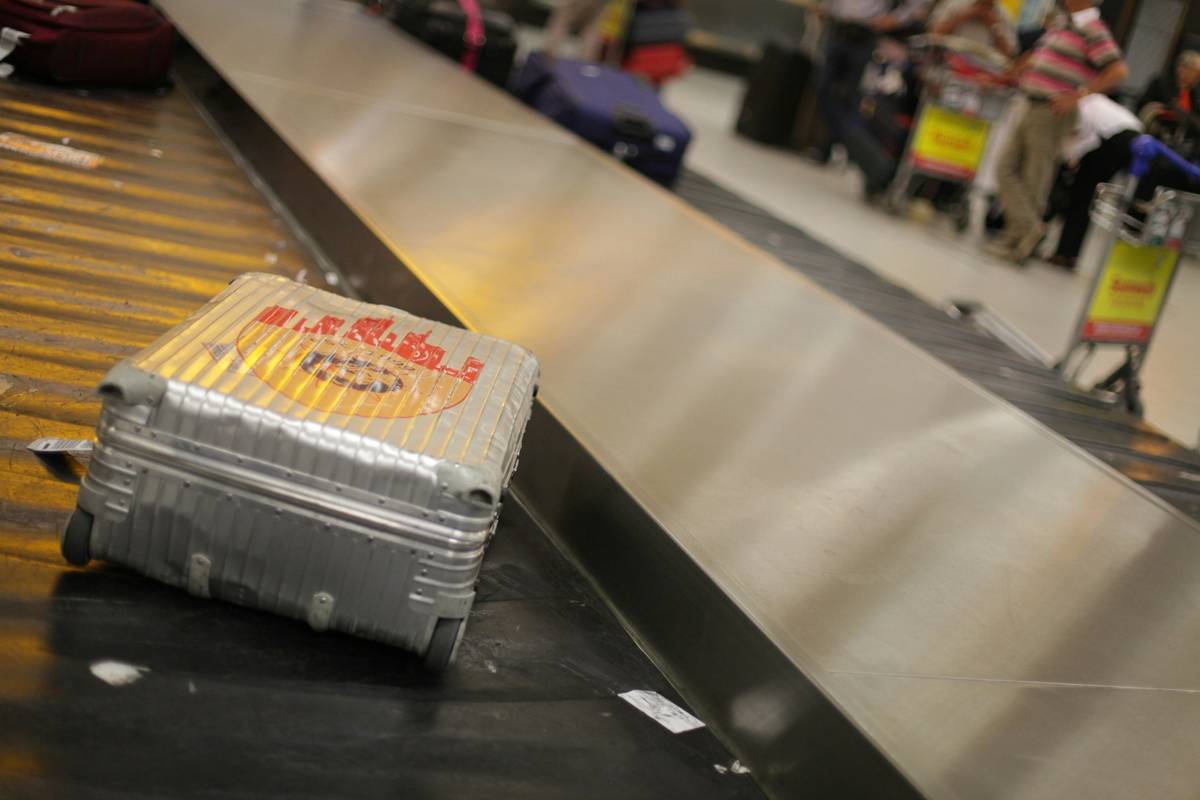
Here’s the industry secret no one admits: airport baggage handlers aren’t trained on surfboards. They’re trained to move volume. Your board gets tossed onto carts with golf bags, skis, and bass amplifiers. The real vulnerability? The hour between curbside drop-off and cargo hold loading. During that window, your board sits unattended, often laid flat on concrete ramps where forklifts back over it. Solution? Use a hard-shell travel case *even if flying*. Soft bags fail here. Hard cases absorb impact, distribute load, and survive being used as impromptu seating by tired crew. Yes, they’re heavy—but your board stays intact. Rent one from a local shop if you don’t own it. Worth every euro.
FAQ: Real Questions From Real Surfers
Can I ship a surfboard without a box?
No. Cardboard or hard case is non-negotiable. Even with bubble wrap, unprotected rails guarantee dings. Carriers may refuse unboxed boards.
How much does it cost to ship a surfboard internationally?
Typically $200–$450 depending on destination. Declare it as “fiberglass sports equipment” to avoid surf-specific import duties in countries like Australia or France.
Do I need insurance when I ship a surfboard?
Absolutely. Standard carrier coverage caps at $100. Insure for full replacement value—most surfers skip this and regret it after the first crack appears mid-transit.